Why Class 11 Students Should Consider Agriculture as a Vocational Subject
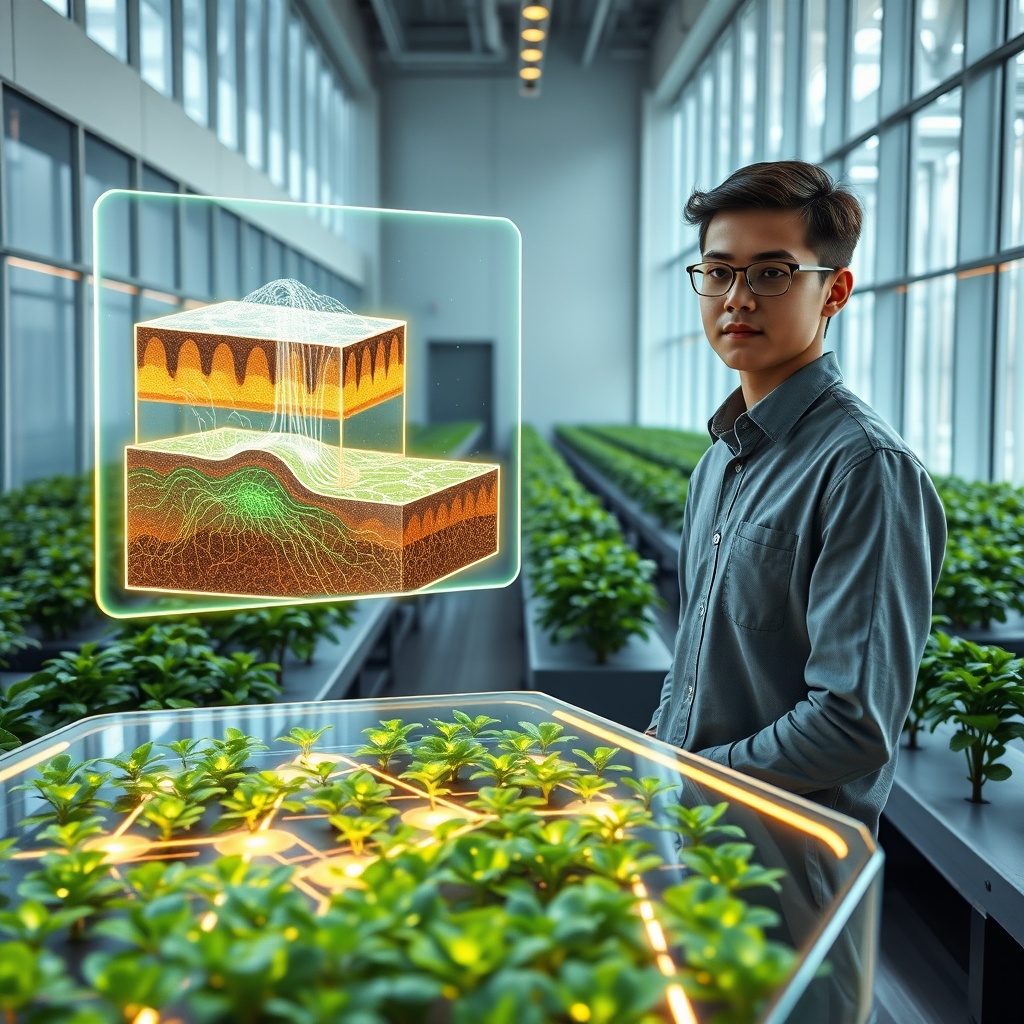
For many Class 11 students, choosing a stream often feels limited to Science, Commerce, or Arts, overlooking dynamic vocational subjects that offer direct pathways to growing industries. Yet, with India's agricultural sector rapidly modernizing, understanding Agriculture as a Vocational Subject can open doors to diverse career paths beyond traditional farming, from agri-tech to food processing and environmental management.
Overview
For many Class 11 students, choosing a stream often feels limited to Science, Commerce, or Arts, overlooking dynamic vocational subjects that offer direct pathways to growing industries. Yet, with India's agricultural sector rapidly modernizing, understanding Agriculture as a Vocational Subject can open doors to diverse career paths beyond traditional farming, from agri-tech to food processing and environmental management.
The perception of agriculture has shifted from a solely manual profession to one demanding scientific expertise, data analysis, and technological innovation. Opting for a vocational stream like this in CBSE Class 11 provides a practical, skill-oriented education. YoLearn AI helps students navigate the specialized curriculum, offering instant clarity on complex topics ranging from soil science to market dynamics, ensuring they grasp both theoretical and practical aspects.
History & Background
Agricultural education in India traditionally focused on imparting practical farming techniques through family or community-based learning. Formal education began with agricultural universities established post-independence, aimed at scientific research and development, particularly during the Green Revolution era to boost food production. The curriculum was primarily research-oriented, often disconnected from immediate vocational skill needs at the school level.
More recently, educational boards like CBSE introduced vocational subjects at the secondary and higher secondary levels, including Agriculture. This shift acknowledged the need for a skilled workforce in areas like horticulture, animal husbandry, and farm machinery operation, not just graduate-level research. The intent was to bridge the gap between academic knowledge and industry demands, allowing students to gain practical skills earlier in their academic journey.
Benefits
Applications
Future
The agricultural sector is rapidly integrating advanced technologies like Artificial Intelligence for crop monitoring, drone usage for precision spraying, and biotech for developing climate-resilient crop varieties. The demand for professionals skilled in these emerging fields, who can blend traditional agricultural knowledge with modern tech, is set to skyrocket.
YoLearn AI is constantly evolving to incorporate these future trends, offering updated content and explanations on agri-tech innovations. As students navigate their journey through Agriculture as a Vocational Subject, YoLearn AI aims to be their constant companion, providing relevant insights into cutting-edge practices. If you're considering this dynamic stream for CBSE Class 11 and want to explore its full potential, download the app: https://play.google.com/store/apps/details?id=com.yolearn.student&hl=en_IN