Finding Balance: How Much Screen Time is Healthy for Online Learning?
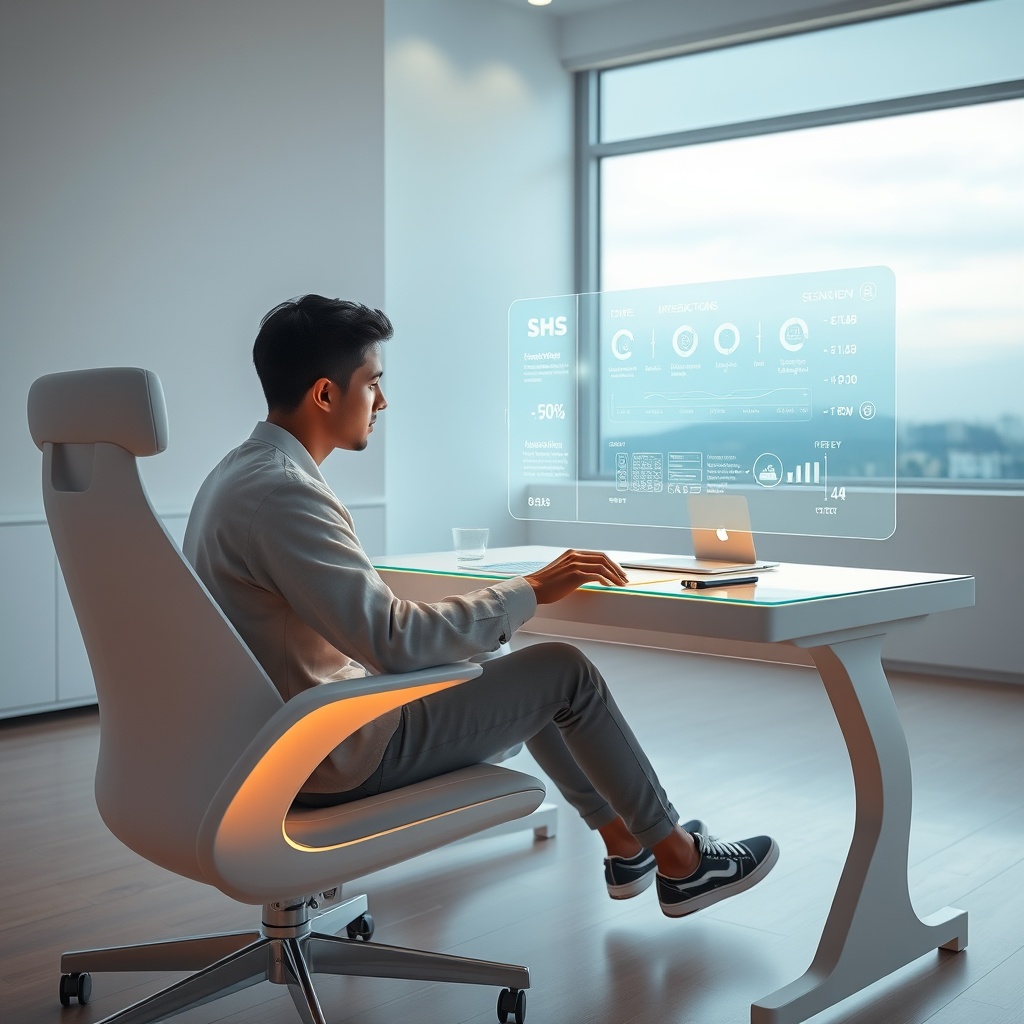
For many Indian students, staring at a screen for hours has become the new normal, whether it's watching video lectures for JEE preparation or completing assignments for their CBSE board exams. This constant digital engagement often leads to concerns about eye strain, fatigue, and diminished focus, prompting the question: "how much screen time is healthy for online learning?"
Overview
For many Indian students, staring at a screen for hours has become the new normal, whether it's watching video lectures for JEE preparation or completing assignments for their CBSE board exams. This constant digital engagement often leads to concerns about eye strain, fatigue, and diminished focus, prompting the question: "how much screen time is healthy for online learning?"
The shift towards digital education, accelerated by recent global events, has undeniably offered unprecedented access to resources like CBSE Online Learning Assistance: Empowering Students for Success. However, it also brings the challenge of maintaining student well-being in a screen-centric environment. YoLearn.AI addresses this by focusing on efficient, high-impact screen interactions designed to maximize learning outcomes without unnecessary prolonged exposure.
History & Background
Early online learning primarily consisted of passive consumption: recorded video lectures, digital textbooks, and static PDFs. Students often spent hours watching monologues or scrolling through documents, mimicking traditional classroom structures but without the dynamic feedback or breaks. This largely contributed to the perception of online learning as inherently screen-intensive.
The evolution from passive content delivery to interactive, personalized learning marked a significant shift. Today's advanced platforms, including AI tutors like YoLearn.AI, move beyond just presenting information. They actively engage students through conversational interfaces, on-demand problem-solving, and personalized feedback, making each screen minute more productive and less about prolonged, passive absorption.
Benefits
Applications
Future
The future of healthy screen time in online learning will likely involve AI systems that analyze engagement patterns and integrate with biometric data (like eye tracking or heart rate) to proactively suggest breaks, adjust content display, or even modulate learning intensity to prevent fatigue and maintain focus. This move from reactive to predictive well-being support will be crucial.
YoLearn.AI is evolving towards an even more intuitively adaptive experience. Imagine an AI tutor that not only answers your questions but also learns your cognitive load patterns, suggesting a 5-minute break after an intense Physics session or recommending a switch to a less screen-intensive activity like a voice quiz. This aligns with becoming a Top CBSE Learning Platform for Class 9–12: Smarter Studies Online, promoting holistic student health alongside academic excellence. Experience smarter, healthier online learning today: https://play.google.com/store/apps/details?id=com.yolearn.student&hl=en_IN