Human Reproduction NEET: Diagram-Based Questions Students Miss
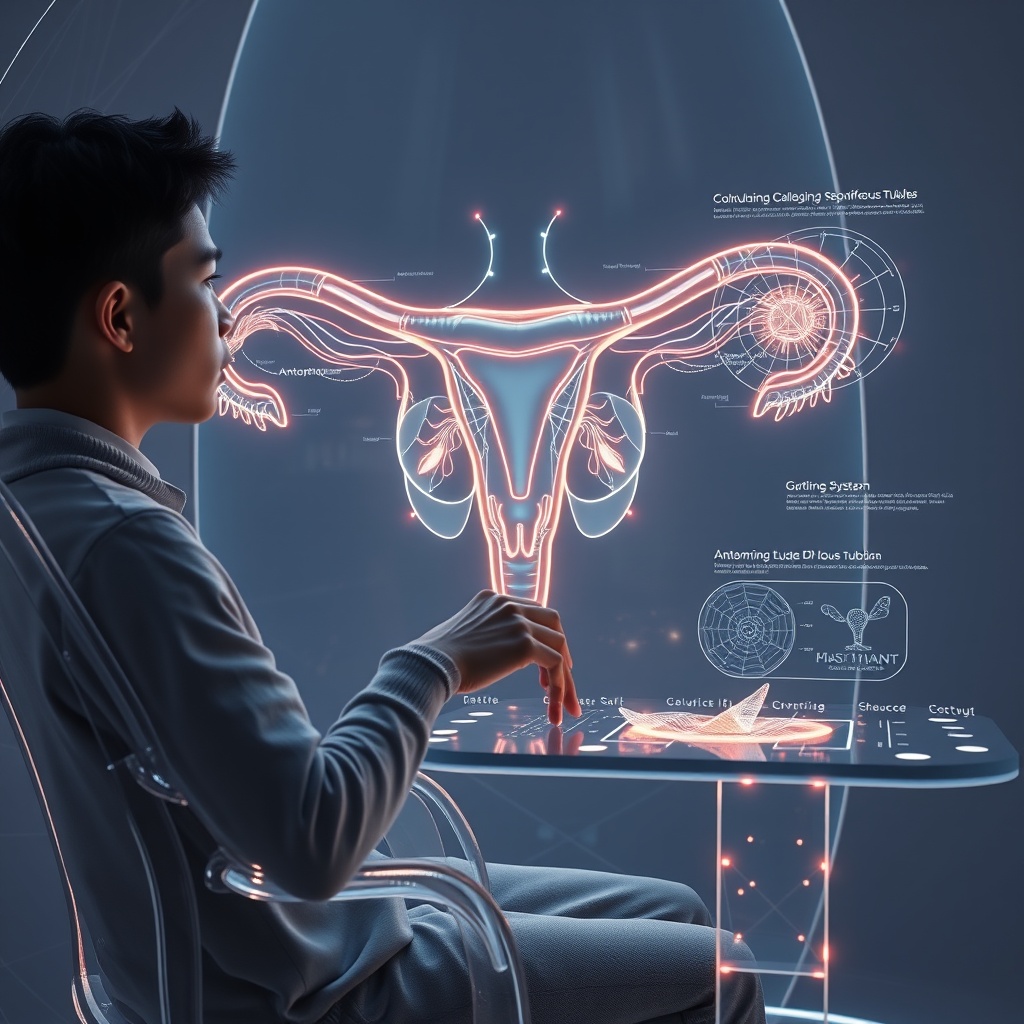
Many NEET aspirants can recall the stages of spermatogenesis or oogenesis in theory, but when confronted with an unlabelled diagram from a previous year's paper, they struggle. Identifying specific structures like the epididymis, fallopian tube ampulla, or layers of the uterus under exam pressure, especially when the diagram is slightly stylized, often leads to missed marks in Human Reproduction NEET questions. It's not just about memorizing names, but truly understanding the visual context and function of each part within the human reproductive system.
Overview
Many NEET aspirants can recall the stages of spermatogenesis or oogenesis in theory, but when confronted with an unlabelled diagram from a previous year's paper, they struggle. Identifying specific structures like the epididymis, fallopian tube ampulla, or layers of the uterus under exam pressure, especially when the diagram is slightly stylized, often leads to missed marks in Human Reproduction NEET questions. It's not just about memorizing names, but truly understanding the visual context and function of each part within the human reproductive system.
Biology accounts for 50% of the total marks in NEET, and diagram-based questions are a common format to assess deep conceptual clarity, moving beyond mere recall. These questions often test fine distinctions, like differentiating between a primary and secondary oocyte visually, or identifying the exact site of fertilization. YoLearn AI addresses this by providing tools that make visual learning for NEET Prep both interactive and precise, helping students confidently tackle these often-tricky questions.
History & Background
Early digital aids for biology diagrams were largely static PDFs or interactive apps that merely provided labels on demand. A student would click on a part of the male reproductive system, and its name would pop up. While better than a textbook, these tools didn't actively test understanding or explain the *why* behind a structure's appearance or location. They offered information, but lacked the dynamic interaction needed to solidify conceptual links for complex topics like Human Reproduction Biology Notes.
The evolution into AI-powered tools brought a significant shift. Instead of just revealing labels, modern platforms began to offer context-aware explanations, quizzes on specific diagram parts, and even allowed students to submit their own diagrams for analysis. This moved beyond passive information delivery to active engagement, enabling an AI Tutor for NEET to simulate the interaction of a human teacher pointing out structures and asking targeted questions directly from the Human Reproduction Class 12 Notes.
Benefits
Applications
Future
Future developments in NEET preparation will see AI tutors generating adaptive diagrams. These won't just be static images, but visuals that change based on a student's previous incorrect answers, dynamically highlighting the specific areas or processes where understanding is weak.
YoLearn AI is already moving towards this intelligent adaptability. Imagine an AI personalizing your diagram practice by generating alternative views or partially labelled diagrams of the human reproductive system based on your specific mistakes in earlier quizzes. For a more interactive and visually rich approach to your NEET Prep, explore YoLearn AI: https://play.google.com/store/apps/details?id=com.yolearn.student&hl=en_IN