How Intelligent Tutoring Systems Revolutionize Personalized Learning
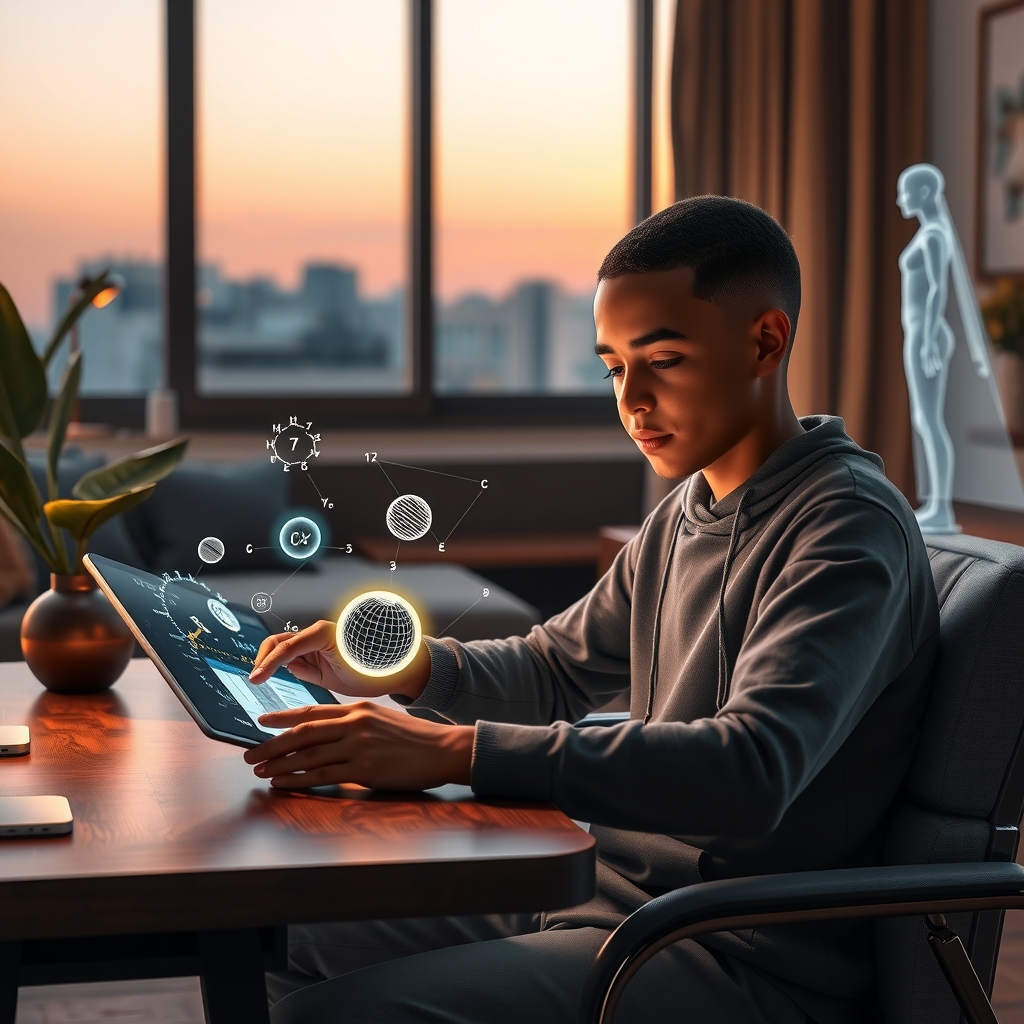
An intelligent tutoring system (ITS) is a type of education technology that delivers personalized learning experiences using artificial intelligence. With the ability to adapt content, feedback, and pacing to each student’s needs, intelligent tutoring systems support learners who crave one-on-one guidance but may not have access to dedicated human tutors.
Overview
An intelligent tutoring system (ITS) is a type of education technology that delivers personalized learning experiences using artificial intelligence. With the ability to adapt content, feedback, and pacing to each student’s needs, intelligent tutoring systems support learners who crave one-on-one guidance but may not have access to dedicated human tutors.
In today’s classrooms and online courses, intelligent tutoring systems are gaining momentum. According to recent EdTech reports, the global ITS market is expected to surpass $8 billion by 2027 as schools and organizations seek adaptive solutions for scalable, effective instruction. This surge reflects a broader commitment to data-driven, student-centered education.
History & Background
The roots of intelligent tutoring systems stretch back to the late 1970s, when computer scientists first explored using algorithms to simulate the wisdom of expert human tutors. Early projects focused on subjects like mathematics and programming, aiming to provide remedial support beyond what teachers could consistently deliver on their own.
Advancements in AI, machine learning, and cognitive science fueled the evolution of ITS technology throughout the 1990s and 2000s. These systems moved from simple script-based responses to dynamic platforms capable of modeling a student’s understanding in real-time—paving the way for today’s widespread adoption in both traditional and online learning environments.
Benefits
Intelligent tutoring systems nurture confidence and independence—empowering learners to progress at their own pace, revisit difficult material, and build strong foundational skills. Over time, these platforms help bridge educational divides, making quality instruction more equitable and accessible.
Applications
Modern intelligent tutoring systems are widely used in K-12 schools to support math, science, and language learning. Universities employ ITS platforms to help students grasp complex concepts, while corporate training programs leverage them for upskilling and employee development. Adaptive homework, instant feedback, and personalized recommendations are common features.
In a recent case study, the use of an ITS in a large high school math class led to a 20% improvement in student performance compared to traditional instruction alone. Corporate e-learning programs utilizing ITS technology have reported faster onboarding times and higher retention rates, demonstrating the tangible value of these solutions in diverse contexts.
Future
Looking ahead, intelligent tutoring systems are set to become even more interactive and intuitive, using natural language processing, speech recognition, and emotional analytics to create truly human-like learning experiences. Integration with virtual reality may further enhance immersion and skill transfer.
As ITS technologies evolve, expect personalized education to become the gold standard for every learner—where AI-powered tutors adapt alongside students. Now is the perfect moment to embrace this shift and reimagine what it means to learn and achieve in the digital age.