BULLETIN BOARD
- Reduce oil in diet by 10%
- 11.4% of India's population is diabetic in India are diabetic: ICMR report
- More than 100 million people
- Fast food is one of the leading causes of
- Yoga for the mind, body and soul
- Air pollution is one of the leading risk factors for health
- Arrival of monsoon lead to increase in malaria and dengue cases
- Diabetes & heart attack are more prevalent in people of South-east Asia: WHO
- 28.6% Indians are obese
- Yoga reduces anxiety and increase concentration
- Safe drinking water reduces cases of water
- Regular handwashing reduces and vector-borne diseases
- FIT INDIA MOVEMENT
- infection by 50%
- Excessive screen watching leads to dry eye disease in children
- Diet mantra: Reduce the amount of oil and sugar in diet
- Air pollution is a public health emergency
- Increase in screen time in children leads to a rise in obesity, sleep disorders, and anxiety
- Immersion into social media is spurring rise in loneliness
Health: The Ultimate Treasure
Probe and ponder
- How does your body respond to an infection such as common cold?
- We rarely see cases of smallpox or polio these days, but diseases like diabetes and heart problems are more common. Why?
- Could climate change lead to new types of diseases?
- How do emotions like stress or worry affect us and make us sick?
- Why do some groups of people get affected more than others during disease outbreaks?
Share your questions ?
3.1 Health: Is It More Than Not Falling Sick?
What do the news clippings on the notice board tell you about people's health in our country? Is being healthy just about not having diseases? Health also includes feeling good physically, staying positive, and having strong relationships. A healthy person takes care of their body, maintains a positive mindset, and enjoys social life. Let us now explore what it truly means to be healthy.
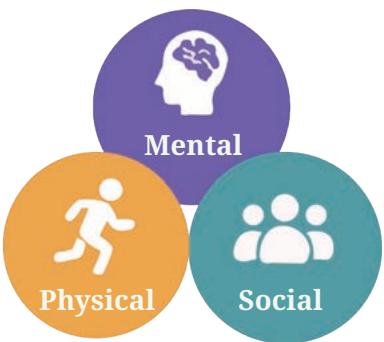 Fig. 3.1: Aspects of health
Our scientific heritage
Ayurveda teaches us that true health is a balance of body, mind, and surroundings.

Following dinacharya (daily routine) and ritucharya (seasonal routine) helps maintain this balance. Eating fresh, wholesome food suited to one's prakriti (body constitution) is essential. Regular exercise, cleanliness, restful sleep, and a calm mind support overall well-being. This can also be achieved through practices like yoga, meditation, and mindfulness.

3.2 How Can We Stay Healthy?
Staying healthy means eating nutritious food, maintaining hygiene, staying in a clean place, exercising regularly, getting
proper sleep, spending time with family and friends, and having a positive attitude. What we should do and what should not do to keep ourselves healthy?
Activity 3.2: Let us list
 Eat a balanced diet
- List some good habits that your parents, teachers, or elders often encourage you to follow. How many of these are already a part of your daily routine? Which ones would you like to start following? Add to the list below:
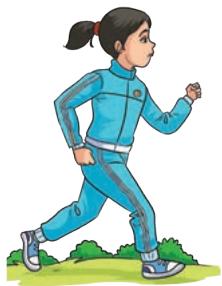 Stay physically active
Keep yourself clean and maintain personal hygiene.
Eat a healthy and balanced diet.
Exercise regularly.
Make time to relax or meditate every day.
Now, think about habits that are not good for your health. Add more to the list below:
- Spending too much time on mobile phones or other digital screens.
- Eating fast food and other junk food every day.
- Sleeping very late or not getting enough sleep.
- Skipping meals, especially breakfast.
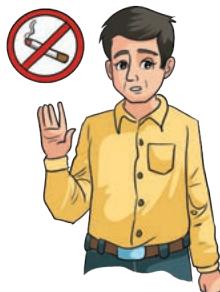
Say no to smoking or alcohol
Discuss your findings with your friends and teacher. From the activity you participated in and the discussions, you may have realised that our health depends on many factors. These factors include our lifestyle (how we live) and our environment (our surroundings).
3.2.1 Maintain a healthy lifestyle
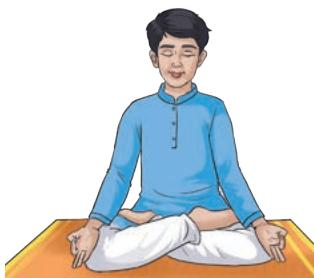 Manage stress
- Eat a balanced diet with plenty of fruits, vegetables, and whole grains. Avoid processed, fatty, or sugary food and drinks.
- Stay physically active by playing outdoors, walking, running, cycling, or exercising. Limit screen time and spend more time in nature.
- Get enough sleep to help your body and mind rest and recover.
- Practice yoga or simple breathing exercises like pranayama regularly.
- Say 'NO' to harmful substances things like tobacco, alcohol, and addictive drugs (Fig. 3.2).
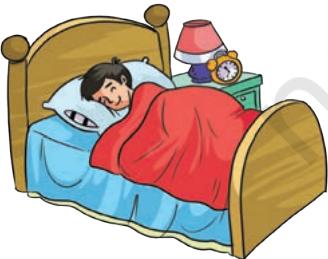 Get enough sleep
Fig. 3.2: How to be healthy
Get enough sleep
Fig. 3.2: How to be healthy
3.2.2 Keep the environment clean
Activity 3.3: Let us compare
- Look at Fig. 3.3a and Fig. 3.3b. Which playground would you like to play in, and why?
- Most of us would like to play in the playground shown in Fig. 3.3a as it is clean, well-maintained, and looks beautiful. The playground in Fig. 3.3b is polluted, dirty, unhygienic, and full of flies and mosquitoes. People living in such areas may fall sick more often.
- In addition to inculcating good habits and adopting a healthy lifestyle, we must keep ourselves and our surroundings clean.
Have you ever found it hard to breathe in a place with a lot of smoke or dust? That is because clean air and water are important for our health. In cities, air pollution from vehicles and factories can cause problems like coughing or asthma. The Air Quality Index (AQI) helps us know how clean the air is. A cleaner environment helps us stay healthy and feel better.
- But health is not only about the body. Our feelings and relationships matter too. Even if we eat well and live in a clean place, we may not feel good if we are lonely or upset. Spending time with friends and family, talking, laughing, and having fun help keep our minds healthy too.
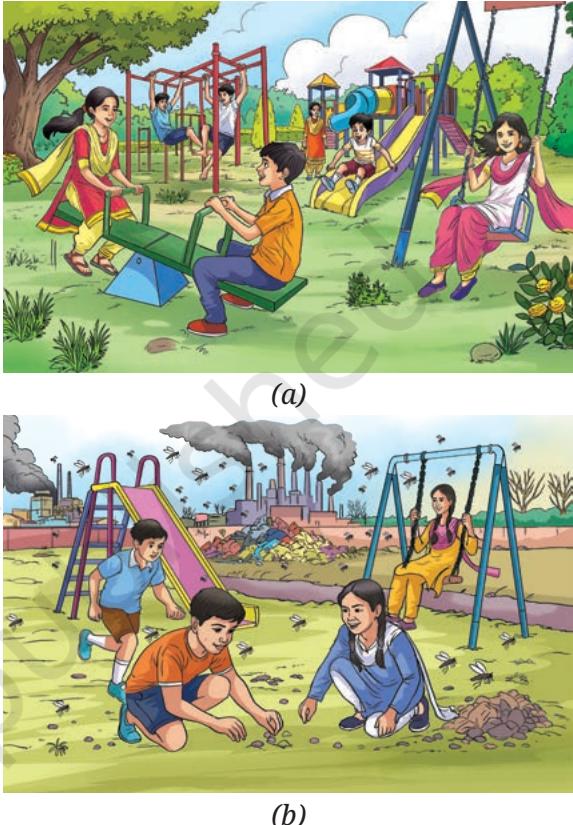 Fig. 3.3: Two different playgrounds
3.3 How Do We Know That We Are Unwell?
Our body usually works in a certain way to keep us healthy. When we feel unwell, it means something inside us may not be working as it should. We may have symptoms, such as pain, tiredness, or dizziness, and signs like fever, rash, high blood pressure, or swelling that indicate we are unwell. A symptom is what we feel (like pain), while a sign is something that can be seen or measured (like high body temperature when we have fever). These help doctors understand what might be making us unwell.
3.4 Diseases: What Are the Causes and Types?
A disease is a condition that affects the normal working of the body or mind. It can happen when one or more organs or organ systems stop functioning properly. Some diseases are caused by germs like bacteria, viruses, fungi, worms, or even by protozoa (single-celled organisms). These disease-causing organisms are called pathogens. Other diseases may result from poor nutrition or an unhealthy lifestyle. Some diseases last for a short time, while others can continue for a long time and need regular treatment or care. Diseases can be grouped into two major types based on their causes and how they spread:
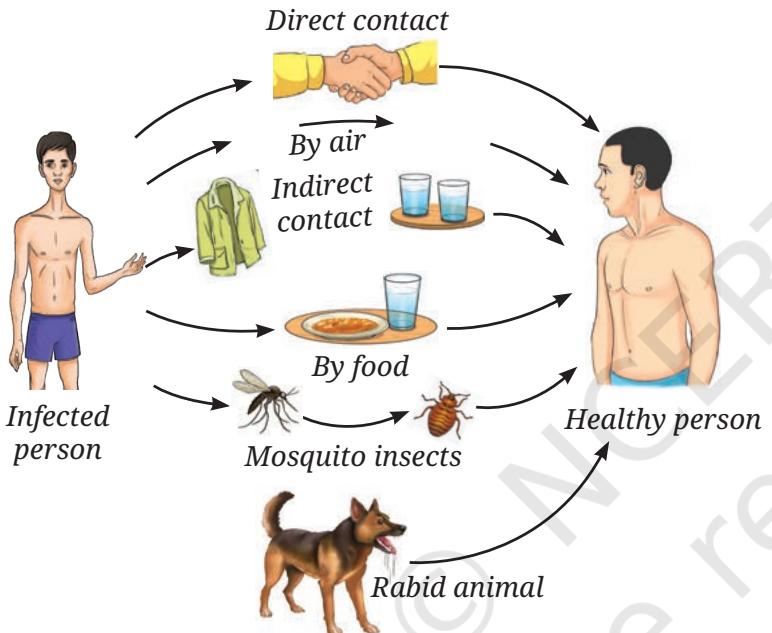 Fig. 3.4: Common methods of transmission of diseases
- Non-communicable diseases— Some diseases, like cancer, diabetes